Fr. Peter's Blog
Blog

A landowner leased his vineyard to tenants. But they wanted to make it their own. They slew the servants of the landowner, and murdered his only son, plotting to acquire his inheritance. What action remains for the landowner? He will entrust his vineyard to other faithful and accountable tenants. All I am, and all I have, are gifts from God. How can I say, “They are mine and for me alone.” No tree eats of its own fruit. If I keep my fruits for me alone, no joy will be for me nor for any.

The Christians in the world
Outlooks and Journeys
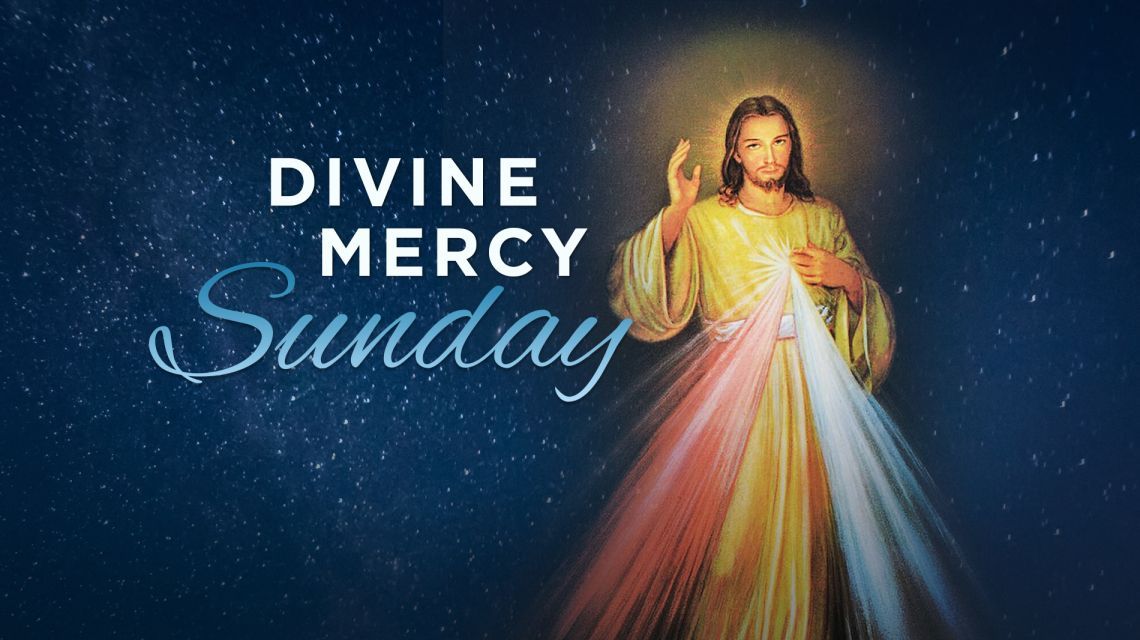

“Easter” likely originates from the Old English ‘Ēastre,’ stemming from a Proto-Germanic root ‘aust’ meaning “east” or “dawn,” symbolizing new life. While this Germanic influence persists in English, many European languages use the word “Pascha,” derived from the Hebrew ‘Pesach’ (Passover), emphasizing Christ as the Passover Lamb. On Easter Sunday, we celebrate an unprecedented event – ‘death ending in life.’ Human language struggles to capture its depth; we attempt phrases such as “an end ending in a beginning,” “hope dispelling hopelessness,” and “life fully enlivened.” ‘Jesus rose from the dead’ is the crux of our faith. Indeed, the very foundation of early Christian worship was the “celebration of the Resurrection.” Had Jesus been dead and gone, his teachings and values would have survived only as artifacts in archaic scrolls, not in human hearts and spirits. But with Jesus came back to life, what he said and what he did, and remain living realities that continue to transform the world to this day. While the Resurrection is a core dogma of the Church, it is equally a part of our everyday experience. Its reflections are everywhere: when we overcome temptation, when we conquer feelings of hatred and division, when we leap into the darkness with hope, and when we triumph over the fear of death. New life arose from the empty tomb. Thousands of people still visit Jerusalem to look inside the empty tomb; some find hope there, while others remain skeptical. When the Apostle John entered the tomb, he SAW and BELIEVED. Let us do the same. Belief in the Resurrection is the foundation of our faith in this life and the source of eternal life in the next.
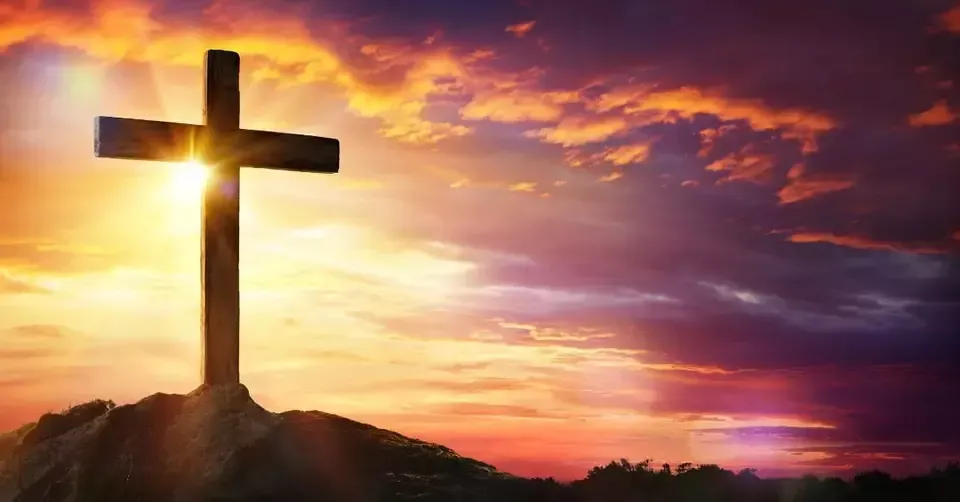
On this day, humanity awakens from its deep slumber to gaze upon the suffering servant suspended between heaven and earth. It sees the hands once extended in embrace now nailed to the cross, and the feet that walked to heal souls now pinned to the wood. Believers and atheists, the knowledgeable and the ignorant, optimists and pessimists, Christians and non-Christians all behold this sight, each responding with a different stir of the heart. Some are moved with compassion while others turn away being weary of the sight. Some are troubled with guilt and others steel their hearts clouded with arrogance. Some pity him and some others stare with indifference. Good or bad this sight has a definite impact on all. Some are moved to compassion, while others turn away, weary of the spectacle. Some are haunted by guilt, while others steel their hearts behind a veil of arrogance. Some offer pity, while many others stare with cold indifference. For better or for worse, this sight leaves no soul untouched. We Catholics stand this day at the foot of the cross. We look upon Him. Is He overwhelmed by pain and anguish? No; it seems He offers His suffering wholeheartedly. Does He look forsaken and discarded? No; He prays for His persecutors and pardons a criminal. Does His unending sorrow distance Him from humanity? No; He entrusts His mother to the care of His disciple. Does He die in despair? No; He commends His spirit to His Father in heaven. Jesus did not fear his persecutors, did not fear his enemies, did not grieve in front of his killers. He did not lose his life, rather he offered it purposefully. Willfully he made his path uprightly straight to the mount of Calvary. Bravely he encountered face to face the epitome of evil only to conquer it. We learn a lesson today. Mightily crucified, Jesus looks from the heights of Golgotha to the processions of generations, hears the noise of nations, and understands the dreams of humanity. He passes through the threshold of eternity from death to life beckoning us to follow him with the same vigor and grace. Jesus did not fear His persecutors, nor did He falter before His enemies or grieve in the presence of His killers. He did not lose His life; rather, He offered it with divine purpose. Willfully, He made His path straight to the heights of Calvary. Bravely, He met the epitome of evil face-to-face, only to emerge victoriously. We learn a profound lesson today. From the heights of Golgotha, the crucified Christ gazes upon the procession of generations, hears the clamor of nations, and understands the deepest longings of humanity. Passing through the threshold of eternity, from death into life, He beckons us to follow Him with that same vigor and grace. Let us also learn from nature another lesson. Trees whispered among themselves: “These humans carve millions of crosses out of our wood. Can’t they make, out of themselves, one Christ?”
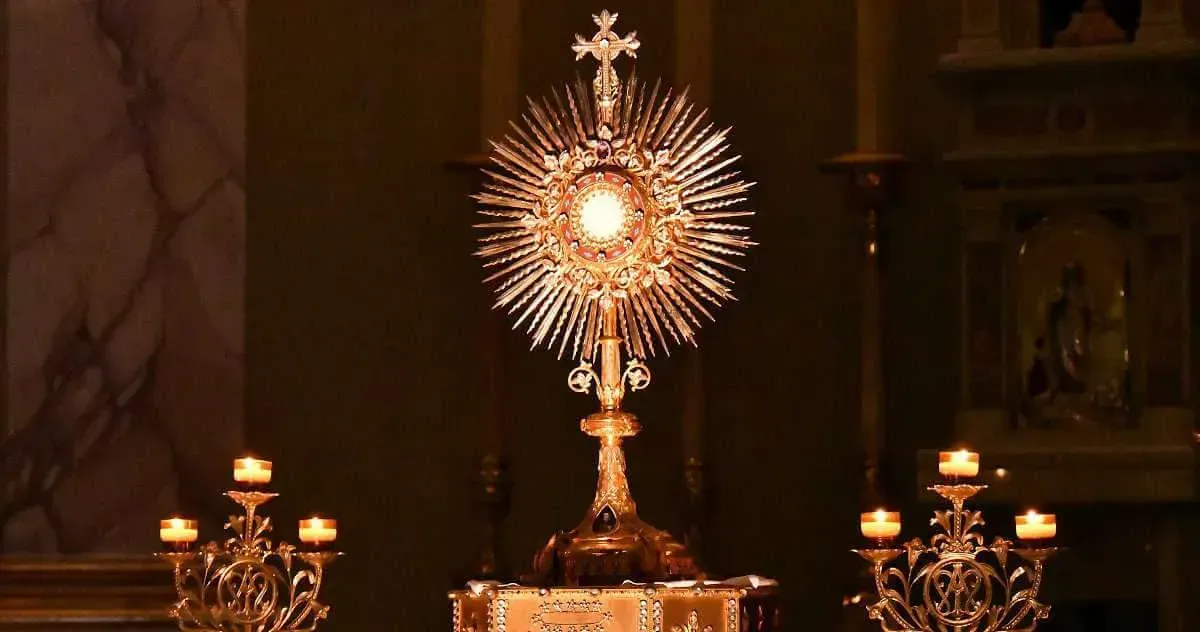
‘Maundy’ comes from the Latin word mandatum, meaning “commandment,” reflecting Jesus’ words: “I give you a new commandment.” That commandment is: “Love one another as I have loved you.” In Jerusalem, when Jesus sat at table with his disciples, households were celebrating the Passover feast. On the table were unleavened bread (matzah), four cups of red wine, bitter herbs (maror), charoset (fruit/nut paste), a green vegetable (karpas), salt water, and a roasted lamb. During the meal, the youngest present would ask four questions: “How is this night different from all other nights? Why do we eat only matzah, only bitter herbs, dip our food twice, and recline while eating?” In response, the eldest would retell the story of the Exodus from Egypt. While all were celebrating the past event of the Exodus, Jesus spoke to his disciples about the future: “Drink from it, all of you; for this is my blood of the covenant, which will be shed on behalf of many for the forgiveness of sins.” Jesus alone knew that on the very next day his blood would be shed, while the others remained unaware. He knew that all would abandon him and flee, and that he alone would drink the bitter chalice of his passion and death. Jesus washed the feet of his disciples to show them the value of humility and service, thereby establishing the sacrament of priesthood. He then broke the bread and shared the chalice of wine, saying, “This is my body… this is my blood. Do this in memory of me,” thus instituting the sacrament of the Eucharist. Christ established the priesthood to perpetuate the Eucharist, creating an unbreakable link between the two sacraments. On this Holy Thursday, the priest, acting in the person of Christ, will wash the feet of twelve people representing the twelve Apostles. For a priest, ministry so deeply defines his life that without it, his life loses its meaning. Hence the Vatican II defines the priesthood by the descriptive title, 'The Ministry and Life of Priests.” At the conclusion of the Mass, the procession of the Blessed Sacrament will take place within the church, followed by a time of silent adoration. In the breaking and partaking of the Bread, we experience the presence of God with such intensity and intimacy; it is in that moment that we truly celebrate His Real Presence in and among us. I invite you all to join us this Maundy Thursday. Together, let us worship God and celebrate the commandment of love, the virtues of humility and service, and the institution of the priesthood and the Holy Eucharist, and the real presence of Christ in our midst.

Holy Week